
Frame of mind

Where image meets insight

The Rise of Treatonomics

A Strategy 100 Years in the Making

Things got ugly in the 1930s, when the Great Depression decimated the spending power of almost everyone. It's appropriately ironic that during this time, lipstick sales soared. Years later, economists called this counterintuitive phenomenon the "Lipstick Effect."

According to a recent post on CNBC, when consumers can't afford big luxuries, they latch on to small ones. A tube of lipstick became more than makeup, it became a symbol of resilience, a way to reclaim beauty and autonomy in the face of scarcity.

Fast forward to today, and the same psychology is alive and thriving. Only now, it's not just lipstick. It's lattes, skincare minis, and limited-edition snacks. And instead of being discussed in erudite economic journals, it's posted on TikTok, Instagram, and YouTube.

Welcome to what the UK's Daily Mail calls "Little Treat Culture," or "Treatonomics."

The "Lipstick Effect" Didn't End - It Just Got a TikTok Account

While treatonomics impacts every age group, it is now primarily associated with Gen Z (born between 1997 – 2012). It's important for brand teams and agency creatives to understand that this cohort didn't invent the Lipstick Effect, they just posted it on social media. A $6 latte isn't just caffeine. It's content. A quirky candle more than just scent. It's identity. A limited-edition lip gloss isn't just shine. It's a dopamine hit wrapped in shareability.

The little treat culture thrives because:

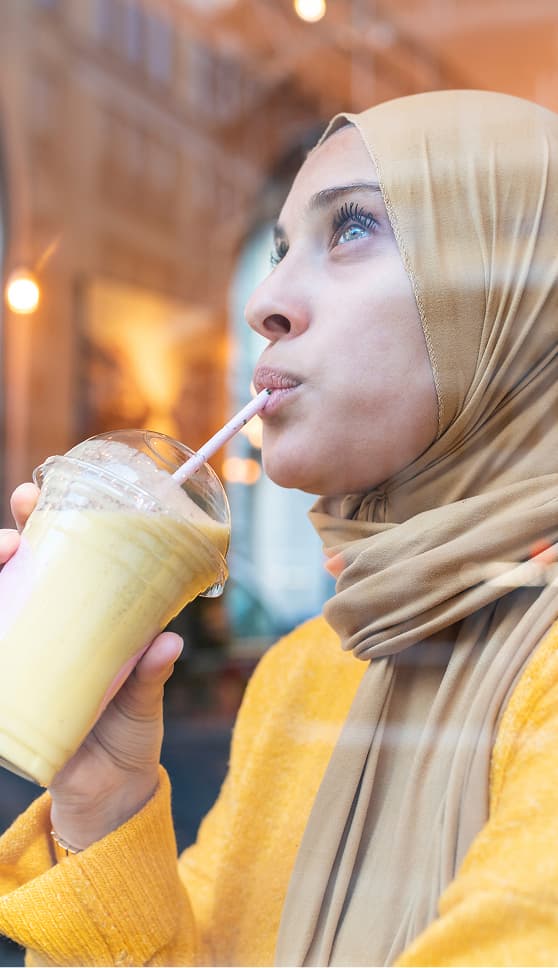
It's accessible: Consumers can't buy houses, but they can buy matcha.

It's expressive: Trendy drinkware like a pink Stanley cup says more about identity than a mortgage ever could.

It's ritualized: "Treat yourself" isn't a guilty pleasure, it's a daily micro-reward.

The difference now is amplification. Every small indulgence is documented, aestheticized, and algorithmically rewarded. The lipstick effect didn't fade. It went viral.

Treatonomics Is a Marketing Goldmine

Treatonomics is more than a quirky cultural trend. It's a durable consumer behavior pattern that thrives in both recessions and boom times. When personal budgets tighten, consumers may cut back on big-ticket luxuries like vacations, but they continue to cling to small indulgences.

These little treats also function as social currency. Meme-worthy, TikTok-ready, and Instagrammable, they spread faster and more widely than expensive purchases. And when a $5 indulgence consistently delivers delight, it can foster brand loyalty that lasts for years.

According to Insight Trends Treatonomics can be expanded from daily joys to big splurges. Gen Z has stretched the concept further. Many are deliberately cutting back on those daily expenses to fund larger joyful occasions like travel, concerts, or festivals. Skip the latte now to unlock a Taylor Swift concert later!

For marketers, this expanded version is just as critical to understand. It means campaigns don't only celebrate the micro-joy; they must also acknowledge the discipline and anticipation behind saving for the mega-joy. As CNBC points out, products and services that position themselves as enablers of those bigger experiences, whether through loyalty programs, financial tools, or experiential partnerships, tap into the powerful narrative of earned delight. Cool cars or trips to Paris, anyone?

Creative Strategies That Harness Treatonomics

Marketing creatives can translate the cultural insight of treatonomics into campaigns by focusing on the elements that make little treats so powerful. These products thrive when they are visually distinctive, with bold packaging, playful names, or seasonal drops that transform them into content as much as commodities. Other tips for success include:

Positioning the little treats as the perfect punctuation mark for everyday life. Beyond the product itself, brands should encourage consumers to build these items into their routines, creating rituals rather than one-off purchases, much like Starbucks did with its iconic red holiday cup.

Scarcity also plays a role, as limited editions and seasonal lineups increase demand and keep consumers coming back for the thrill of discovery.

Finally, emotional honesty is essential, especially for Gen Z, who value campaigns that acknowledge both the ache and the joy of modern life. Messaging that says, "We know life is hard, so here's a micro-joy," resonates more deeply than pure escapism.

Micro-Moments of Resilience

Treatonomics reframes consumer culture as survival rather than frivolity. In a world marked by climate anxiety, political upheaval, and economic precarity, little treats are how people stitch joy into the tapestry of daily life. They aren't about ignoring reality, but about creating micro-moments of resilience.

Consumers don't just want products; they want rituals, identity markers, and sparks of joy that fit within their budgets and their lives. For marketing creatives, the challenge is clear: stop chasing the big-ticket luxury narrative and start designing campaigns that celebrate the small, the shareable, and the emotionally resonant.

Treatonomics isn't a passing fad; it's the economy of joy. Brands that understand this will be the ones consumers reach for over and over again, when they need a little love.

TL;DR

  • The "Lipstick Effect" never disappeared. It evolved into today's treatonomics, where small, affordable indulgences thrive during economic stress.
  • Gen Z didn't invent this behavior. They amplified it through social media, turning little treats into content, identity, and social currency.
  • Little treats work because they're accessible, expressive, and ritualized. Think $6 lattes, mini skincare, limited drops.
  • Treatonomics is a reliable marketing pattern, not a fad. Small joys sell in both boom times and downturns.
  • These micro-indulgences can also enable bigger splurges, like concerts or travel, through saving, anticipation, and loyalty.
  • Winning brands design treats that are visually distinctive, scarce, ritual-friendly, and emotionally honest.
  • At its core, treatonomics is about resilience, not frivolity. Small joys help people cope, connect, and keep going.
Top 5 Pictures
Top 5 Pictures of 2025

SuperStock's most popular images right now are bold, familiar, beautiful, and a little bit magical...

Read more
VIEW Pictures
VIEW Pictures: The Architectural Image Library You've Probably Seen Before

Good architectural photography is like good lighting in a restaurant: subtle, essential, and tragically under-appreciated...

Read more
Is AI Coming For Your Job
Is AI Coming For Your Job?

The big question for advertising agencies and marketing teams...

Read more