Frame of mind

Where image meets insight
×

VIEW Pictures:

The Architectural Image Library You've Probably Seen Before (Even If You Didn't Know It)


There are two kinds of people in the world:

  • Those who can name five architectural photographers off the top of their head, and
  • Everyone else.

Luckily for both groups, there's VIEW Pictures, the UK-based architectural stock library that's been supplying the world with photographs of buildings — and the spaces inside them — long before "content creation" was a job title.

If you've flipped through a design book, walked past a developer's hoarding, sat in an architect's meeting, or clicked on any article featuring "10 Stunning Modern Homes That Will Make You Question Your Own," chances are you've already met VIEW Pictures. You just didn't notice, because good architectural photography is like good lighting in a restaurant: subtle, essential, and tragically under-appreciated.

A brief history

VIEW Pictures grew out of the simple observation that architecture deserves to be photographed well. Not just "it's a building, point the camera at it," but really photographed. With craft. With intention. With someone who doesn't mind waiting 47 minutes for the sun to hit the concrete at a slightly more poetic angle

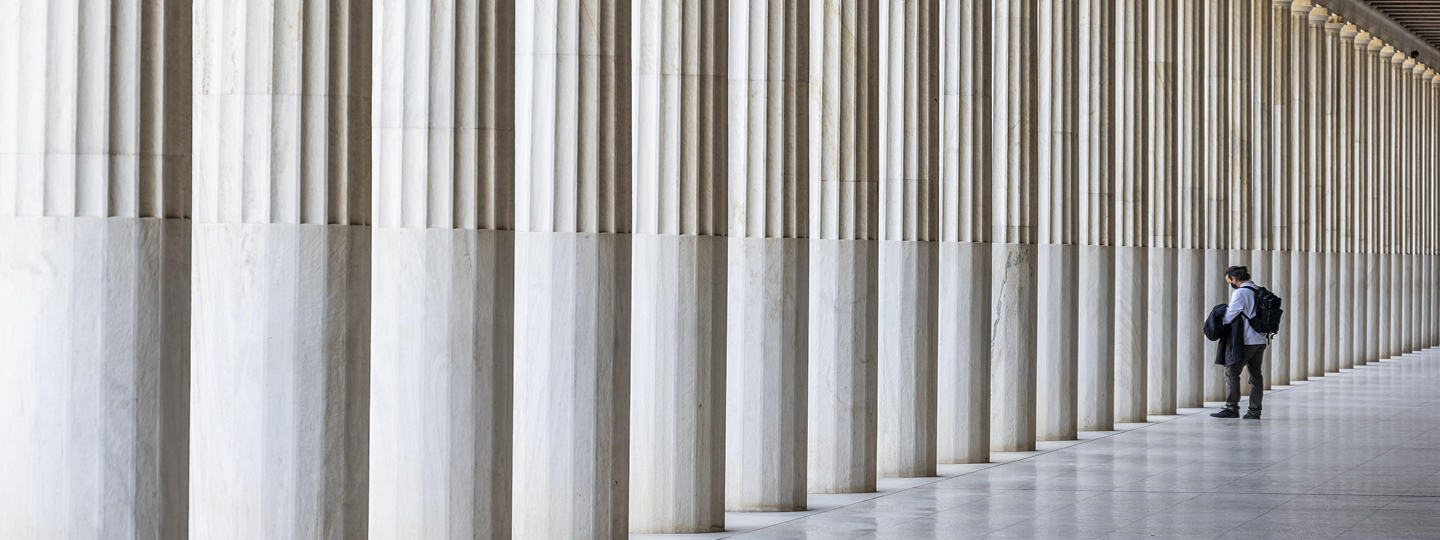
Over the years, the collection has grown into a deep archive captured by a roster of photographers who understand that buildings are characters, not backdrops. They chase light, texture, human activity, and the quiet moments most of us walk past. Their work shows up in editorial projects, academic research, books, developer proposals, marketing campaigns — basically anywhere someone needs images that don't scream "I downloaded this from a bargain-bin stock site at 2 a.m."
So what does VIEW Pictures actually offer?

In short:

Architectural photography. Really good architectural photography.

Browse the site and you'll find:

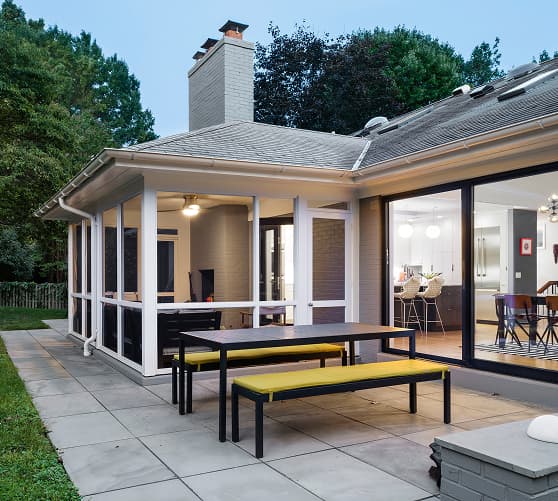
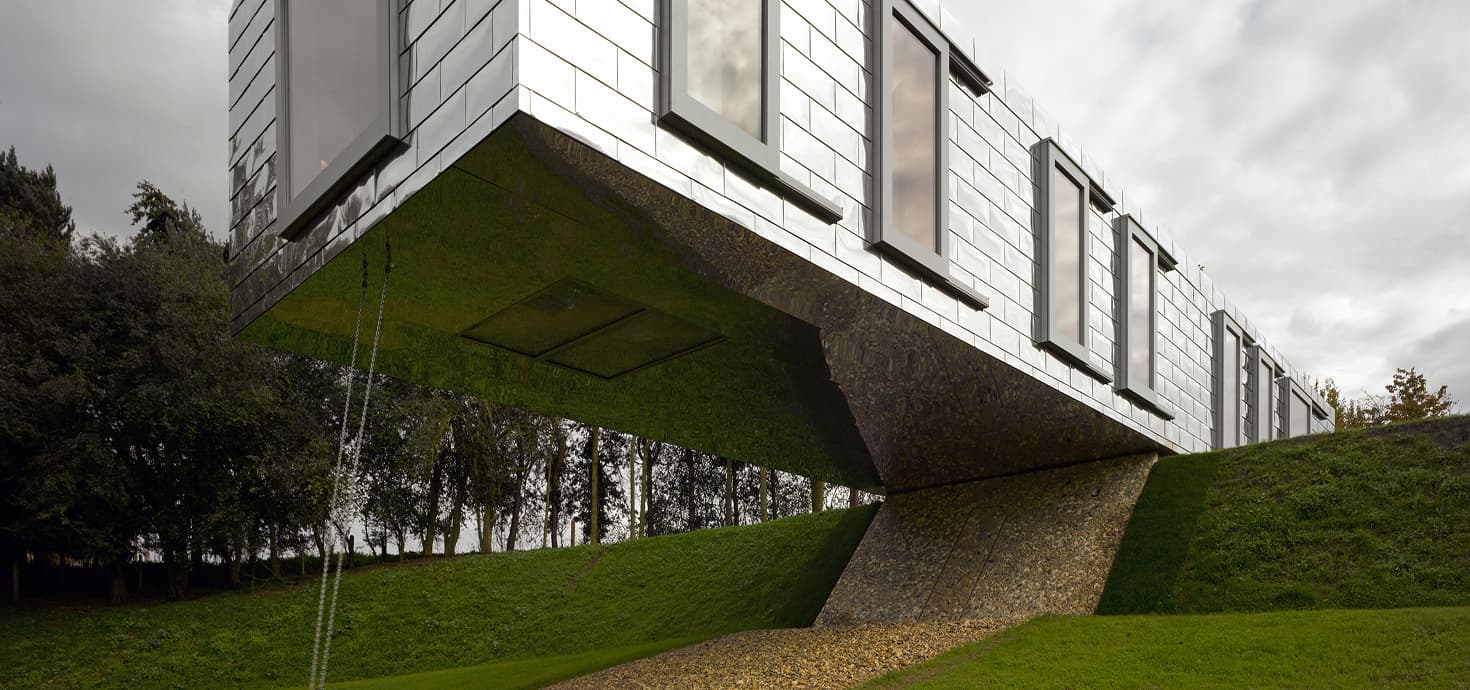
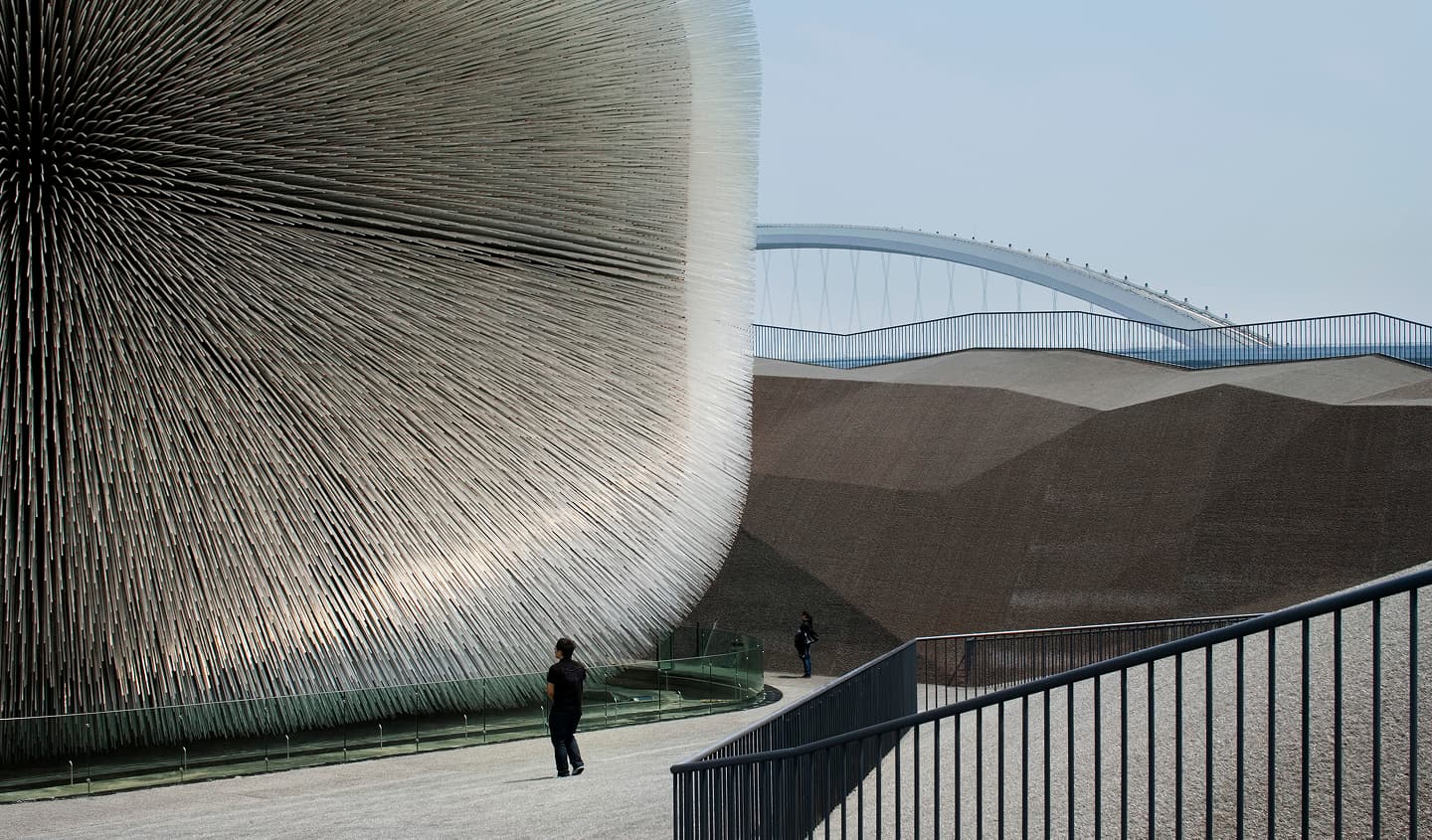
Iconic exteriors (the ones that make you say, "I should travel more").

Urban landscapes that tell a story without using a single word.

Structural details that only architects and people who secretly wanted to be architects get excited about.

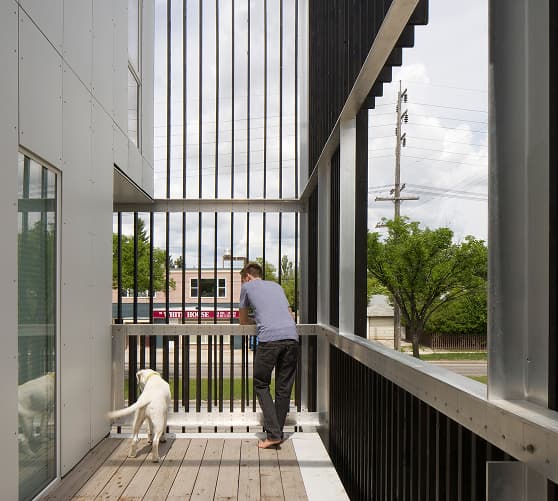
Human-centred images that remind you architecture is, in fact, for humans.

This isn't the generic stock world of "Businessperson pointing at glass building." This is the real deal — documented by photographers who respect the craft and know the difference between good light and "please never show this to a client." The part most people misunderstand: architectural imagery is not just buildings

Architectural photography often gets pigeonholed as "pictures of buildings," which is a bit like calling cuisine "hot things on plates."

Yes, buildings matter. But the magic lies in everything around, inside, and between them.

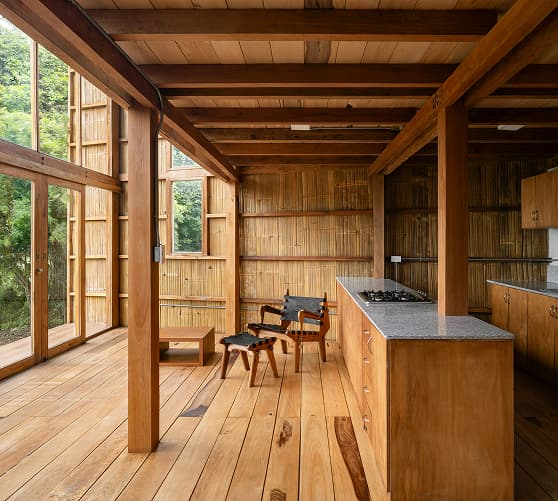
Interiors that feel lived-in, even when they're spotless

Interiors aren't only about furniture layouts. They're about atmosphere. Human traces. The quiet hum of life. Good interior photography captures the warmth, the textures, the sense of "I could sit here for a while" without ever showing a person. It's mood, not measurement.

Spaces shaped by people — even when the people aren't in the frame

Think of public spaces, courtyards, stations, libraries, shops. Good architectural imagery shows how these places work, not just how they look on a postcard. You can feel the implied foot traffic, the quiet conversations, the way a shaft of sunlight falls just right at 4:17 pm.

Architecture as emotion, not object

Just like Treatonomics reframed a cultural quirk into a deeper behavioural truth, good architectural photography reframes buildings as experiences, not artifacts. The right image doesn't just show a space. It makes you want to walk into it. Why this matters for anyone using architectural imagery

Unexpected forms and moments of delight

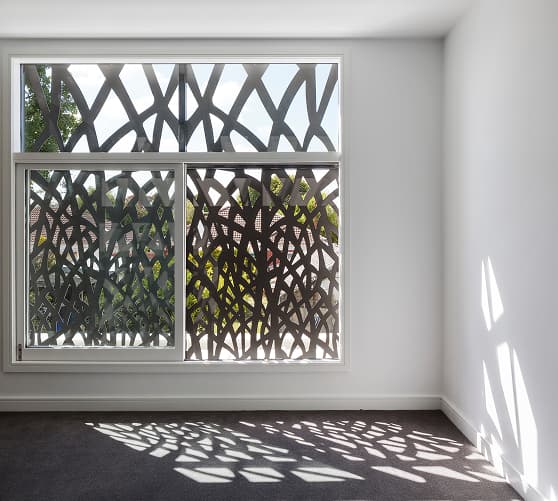
Some of the best architectural images aren't of whole buildings at all. They're fragments: a curved handrail, a perfect grid of windows, the shadow of a staircase, a corridor that looks like it was designed specifically to star in a sci-fi movie.

These are the details that architects agonise over — and that photographers love to elevate.

If you're an architect, designer, publisher, planner, developer, or someone working on their fifth pitch deck of the week, here's the real reason VIEW Pictures exists:

Because the right image makes your project feel real before it exists, or richer than the viewer expected.

Whether you need gravitas, warmth, beauty, humanity, precision, or just something that doesn't look like it came out of a free stock library search called "nice building," this is where you find it.
Final thought

Architecture is one of the few art forms that surrounds us constantly, yet we rarely stop to notice it. VIEWPictures helps people notice. By collecting the work of photographers who see buildings not as static objects but as living participants in human life, it offers imagery that does more than fill a layout. It tells a story.

If architecture shapes the way we live, architectural photography — good architectural photography — shapes the way we understand it.

TL;DR

  • VIEW Pictures is a UK-based architectural image library supplying high-quality photography used by architects, publishers, developers, and design teams worldwide.
  • The archive is created by photographers who treat buildings like characters, not props — capturing light, texture, human presence, and atmosphere.
  • It goes far beyond exteriors: interiors, details, public spaces, and unexpected forms all play a major role.
  • Architectural imagery isn't just documentation; it's emotion, context, and storytelling.
  • The right image can make a project feel real, persuasive, and memorable long before it's built.
  • In short: VIEW Pictures helps people see architecture, not just look at it.
Scale Creativity
Surrounded by Technology: How Brands Can Scale Creativity

What makes gamification such a powerful training tool? Why are curiosity and empathy so critical ...

Read more
VIA Films Creative Arsenal
What is User-Generated Content and Why Are Brands Loving It?

Have you ever wanted to produce a TV spot for the Super Bowl and win ...

Read more