Frame of mind

Where image meets insight

NIL:The Three Letters That Flipped College Sports Marketing

Not that long ago, college athletes had a pretty simple job description: train hard, play well, stay eligible. If you landed a scholarship, tuition, housing, and meals were covered. Spending money usually came from a summer job or help from family.

That was it.

Sure, there were rumors. A car here. Some “extra benefits” there. But officially, college athletes weren’t allowed to make money off the thing that actually made them valuable: who they were and how many people cared about them.

For nearly a century, that was the system. Athletes built massive followings, sold out stadiums, and drove TV deals worth billions. But they couldn’t do ads, promote brands, or monetize their own audience. That control sat with schools and the sport’s governing body, National Collegiate Athletic Association.

Not that long ago, college athletes had a pretty simple job description: train hard, play well, stay eligible. If you landed a scholarship, tuition, housing, and meals were covered. Spending money usually came from a summer job or help from family.

That was it.

Sure, there were rumors. A car here. Some “extra benefits” there. But officially, college athletes weren’t allowed to make money off the thing that actually made them valuable: who they were and how many people cared about them.

For nearly a century, that was the system. Athletes built massive followings, sold out stadiums, and drove TV deals worth billions. But they couldn’t do ads, promote brands, or monetize their own audience. That control sat with schools and the sport’s governing body,National Collegiate Athletic Association.

Then everything broke open.

In June 2021, the Supreme Court of the United States ruled that banning athletes from earning money through Name, Image, and Likeness (NIL) violated antitrust laws. Overnight, student-athletes could sign endorsement deals, appear in ads, and get paid for social posts.

That ruling didn’t just open a door. It kicked down the wall.
College Football Is a Billion-Dollar Business (And Always Has Been)
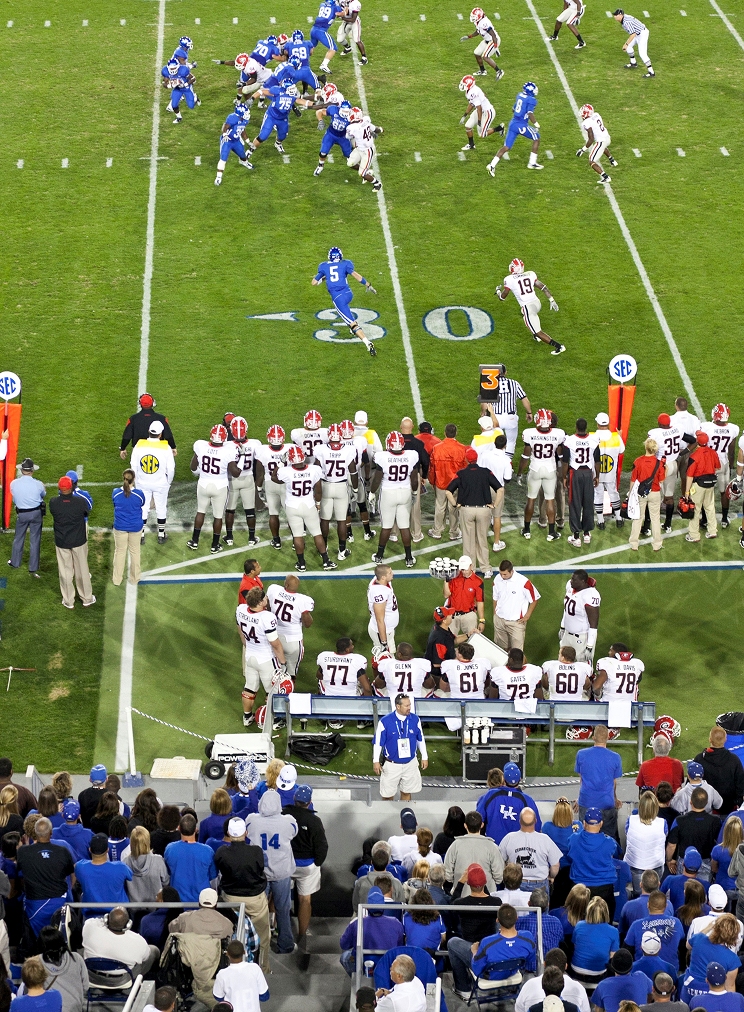
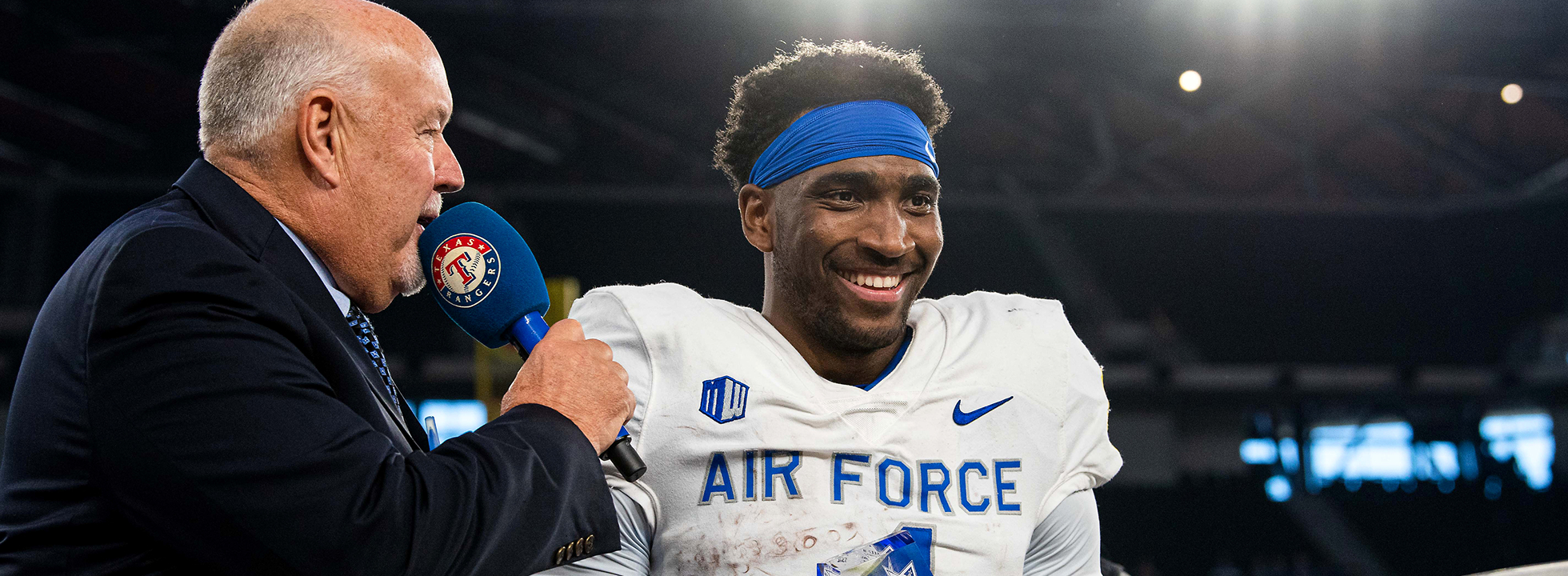
When Indiana beat Miami for the College Football Championship in January 2026, you might assume one of those programs sits at the top of the money pile.

Not even close.

TAccording to financial analysts, Miami ranks 21st in program value and Indiana 28th. The top spot belongs to University of Texas.

A Wall Street Journal analysis pegged Texas football at a $2.2 billion valuation, treating it like a pro franchise. That number reflects media rights, sponsorships, fan demand, and long-term brand power.

And here’s where NIL connects directly to marketing.

Texas also happens to be home to one of the most successful NIL athletes in the country:Arch Manning. Treatonomics can be expanded from daily

In his first season as the Longhorns’ starting QB, Manning reportedly earned about $6.8 million from NIL deals. His partners include Red Bull, EA Sports, Uber, Vuori, Raising Cane’s, and Warby Parker.

Let’s pause on that.

A college athlete, barely old enough to rent a car, is running a multimillion-dollar personal brand.

That’s not a future scenario. That’s right now.
NIL Looks Like a Dream Opportunity for Brands (But Read the Fine Print)

If your brand targets Gen Z or sports culture, NIL is tempting. College athletes come with built-in fandom, cultural relevance, and social reach that most influencers would kill for.

But before you rush into a deal, remember one thing: these are still college kids.

That doesn’t mean “don’t do it.” It means “do it smart.”

Here are the questions brand teams need to ask before signing:
  • What happens if the athlete transfers schools?
  • The transfer portal is active and fast. A school change can trigger contract issues and force renegotiations.
  • What’s the morality clause?
  • Relationships, accusations, and off-field behavior matter. Your contract needs clear exit language.
  • Do school sponsorships conflict with your brand?
  • Athletes can’t violate existing university deals. You need to know what’s already locked in.
  • Are there previous NIL contracts?
  • Prior rights can override yours. Exclusivity must be clearly defined.
  • Does this athlete’s online behavior align with your brand?
  • Vet their socials. Meet them. Values mismatch is a real risk.
  • Who controls content quality?
  • Brands should approve how logos, language, and messaging appear before anything goes live.
If NIL felt complicated before, buckle up.

In June 2025, the House v. NCAA settlement reshaped the landscape again. The result? Schools can now share revenue directly with athletes.

Translation: NIL is no longer just third-party brand deals. It’s institutional pay, too.
NIL Looks Like a Dream Opportunity for Brands (But Read the Fine Print)

Here’s what the current setup looks like:

  • Revenue sharing is live at major conference schools, with cap-style limits
  • Athletes must follow a mix of school rules and state laws (32 states have NIL legislation)
  • Division I athletes must report NIL deals over $600
  • Spending has exploded. Some schools, like Texas A&M, report more than $50 million tied to athlete compensation
  • Federal NIL legislation is still being debated to clean up the patchwork system
ESPN has a solid breakdown of the changes following the ruling.

Not long ago, elite college athletes obsessed over when to “go pro.” Leaving school early could mean millions.

Now? That math has flipped.

For brands, that means something big:

You’re not just dealing with temporary breakout stars anymore. You’re working with long-term, media-trained, brand-aware athletes who know their value.

Agents are circling. Negotiations are sharper. And yes, somewhere a real-life sports agent is absolutely yelling, “Show me the money.”

Why This Matters for Marketing Leaders

NIL isn’t a trend. It’s a structural change in how sports, culture, and marketing intersect.

For Gen Z marketing managers, this is an opportunity and a responsibility. Done right, NIL partnerships can feel authentic, high-impact, and culturally relevant. Done wrong, they can blow up fast.

The brands that win here won’t just chase hype.

They’ll build systems, ask hard questions, and treat college athletes like the serious brand partners they’ve become.

Questions Brands Should Ask Before Leaping into the NIL Fire

For brands that target the massive demographic that loves college sports - football, basketball, volleyball, baseball, swimming, etc.  - the opportunity to benefit from the bright halo of someone like Arch Manning, or Jazzy Davidson (one of the hottest NCAA Women’s Basketball players from USC) is almost irresistible. However, before signing one of those multi-million-dollar endorsement deals, just remember how dumb you were in college. What if you had had a million dollars in the bank?

TL;DR

  • NIL didn’t just change college sports — it rewired sports marketing.
  • Athletes are now brands, media channels, and cultural signals all at once.
  • Speed, authenticity, and timing matter more than polish or legacy deals.
  • The old playbook (long approvals, rigid sponsorships) breaks under NIL pressure.
  • Brands that win treat athletes as partners, not placements.
  • If you’re still asking “Is NIL worth it?” — you’re already late.
Top 5 Pictures of 2025

SuperStock's most popular images right now are bold, familiar, beautiful, and a little bit magical...

Read more
Is AI Coming For Your Job?

The big question for advertising agencies and marketing teams...

Read more
Daily AI, Tech and Creative Industry Headlines

Daily feed of the latest AI, tech, and creative industry headlines from over 100 sources...

Read more